How to Choose the Right Materials for Your Custom Furniture? A Fuss-Free Customization
Choosing the right material for customized furniture is one of the most crucial stages of your design process, if not the only one. Making thoughtful and informed choices when customizing a piece of furniture will either elevate the allure of your home or create a nondescript feeling, which may ruin the overall décor. The materials you select will determine not just the appearance but also the durability, functionality, and long-term value of your custom pieces. With this quick and easy-to-read comprehensive guide, picking the best materials becomes truly fuss-free, and you will be furnishing your beloved home with stunning, personalized, and one-of-a-kind pieces of furniture that perfectly reflect your style and meet your specific needs.
Factors to Consider When Choosing Materials for Your Custom Furniture:
Buying custom furniture is one of the best ways to furnish your home with high-end pieces that perfectly match your vision and requirements. However, it might be daunting to choose the right material that ensures you get high-quality, custom-made furniture that will last longer and create a unique look in your home. The selection process requires careful consideration of various aspects to ensure your investment yields the desired results. Here are some essential factors to consider when choosing materials for your customized furniture:
Functionality:
The function of a furniture piece has a major impact on choosing the best material for tailor-made furniture. For example, a piece that will function as outdoor furniture needs to be sturdy and able to withstand the test of weather, harsh sunlight, and varying temperatures. Materials like teak, aluminum, or weather-resistant synthetic materials would be ideal choices. Meanwhile, for an indoor piece, you will look for elegant and timeless materials like engineered wood, which offers both beauty and practicality for everyday use.
Longevity:
Seeking high-end customized furniture requires proper consideration of durability. You need to select durable materials like solid wood and metal finishes to ensure you will customize a piece of furniture that lasts long, especially when it is intended for daily use. The quality of the materials directly influences the furniture’s lifespan and its ability to maintain its appearance and structural integrity over time.
Comfort:
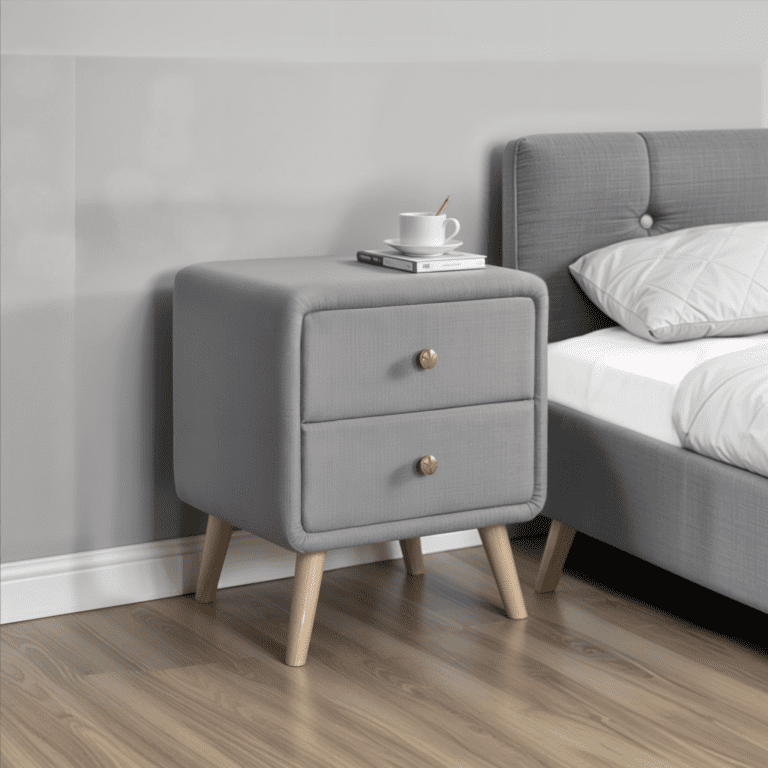
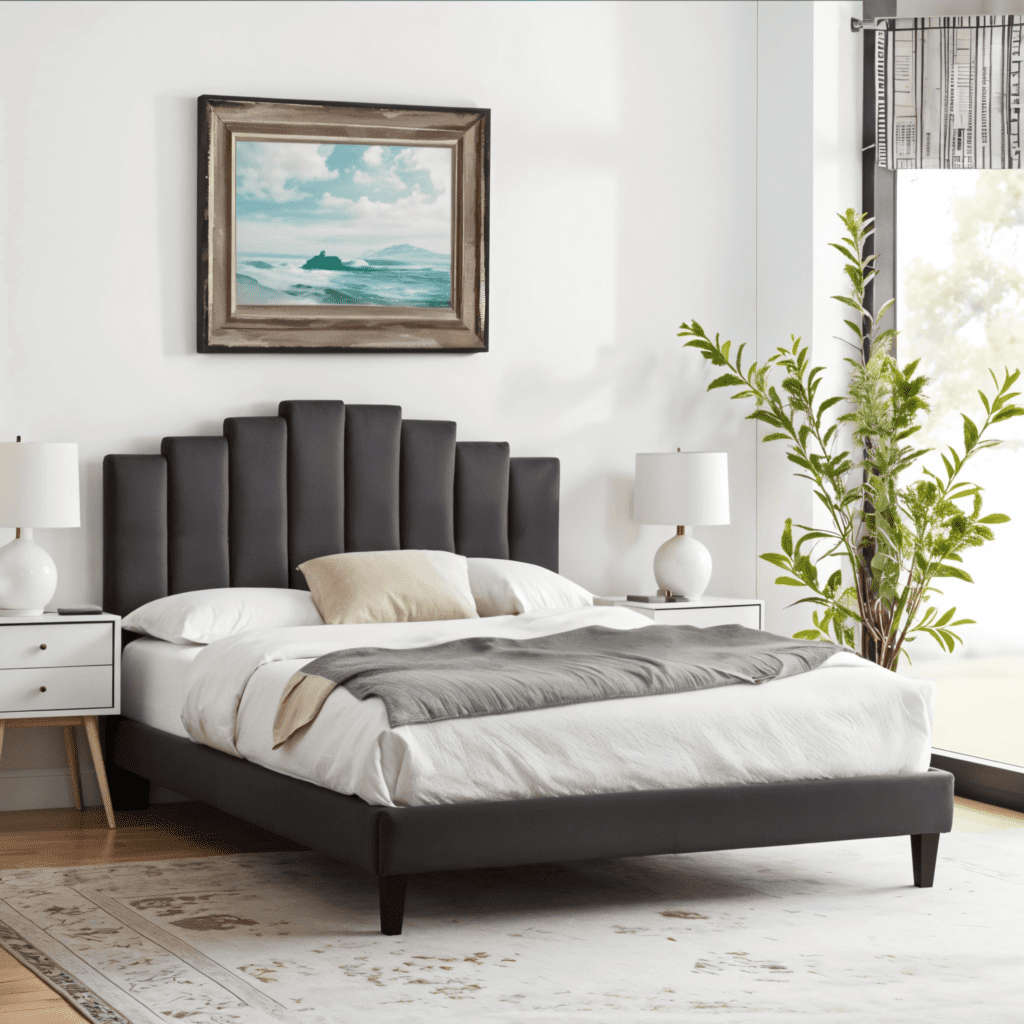
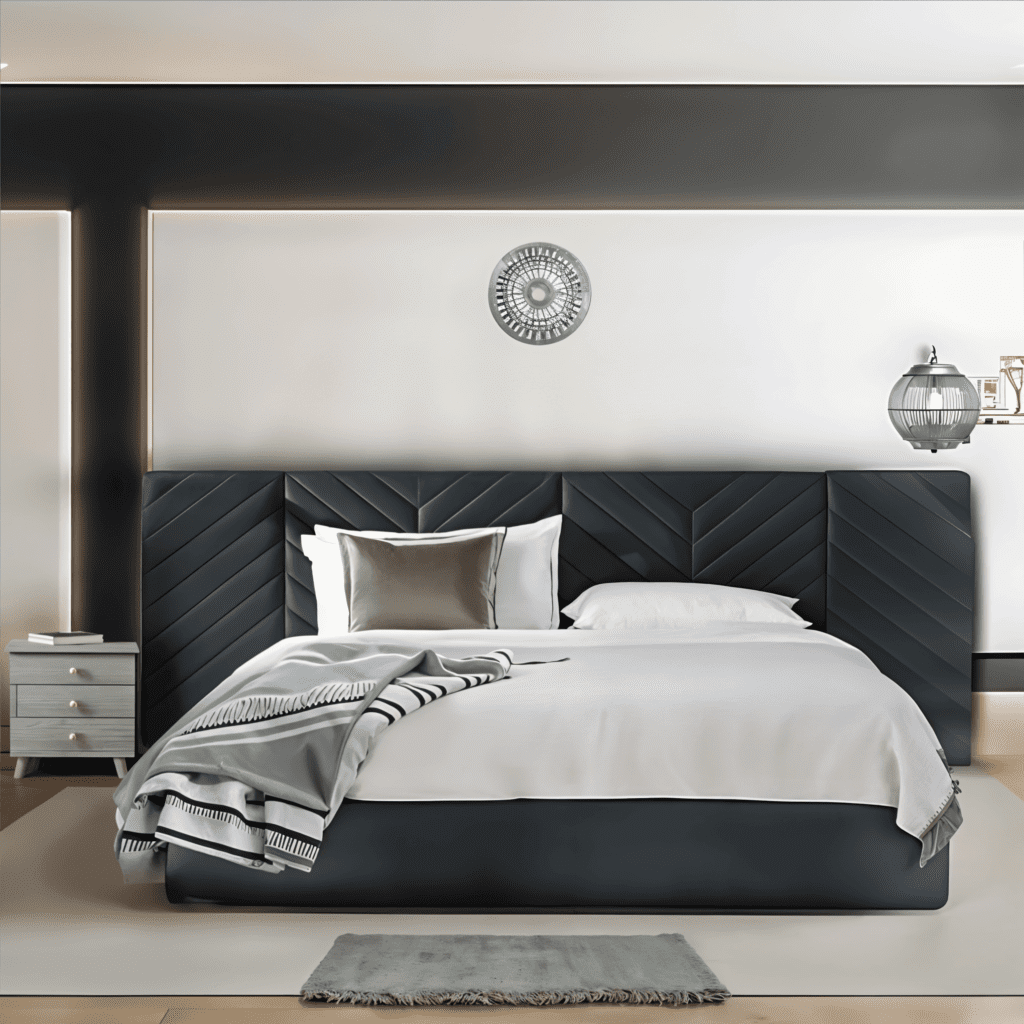
Longevity is a very important factor, but it doesn’t mean we have to sacrifice comfort and ease of use. Choose materials that offer supreme comfort, especially when it comes to seating and sleeping surfaces like cushions and mattresses. Invest in plush and soft upholstery like linen, velvet, and cotton. The right combination of materials can create the perfect balance between durability and comfort, ensuring your custom furniture pieces are both long-lasting and enjoyable to use.
Aesthetic Appeal:
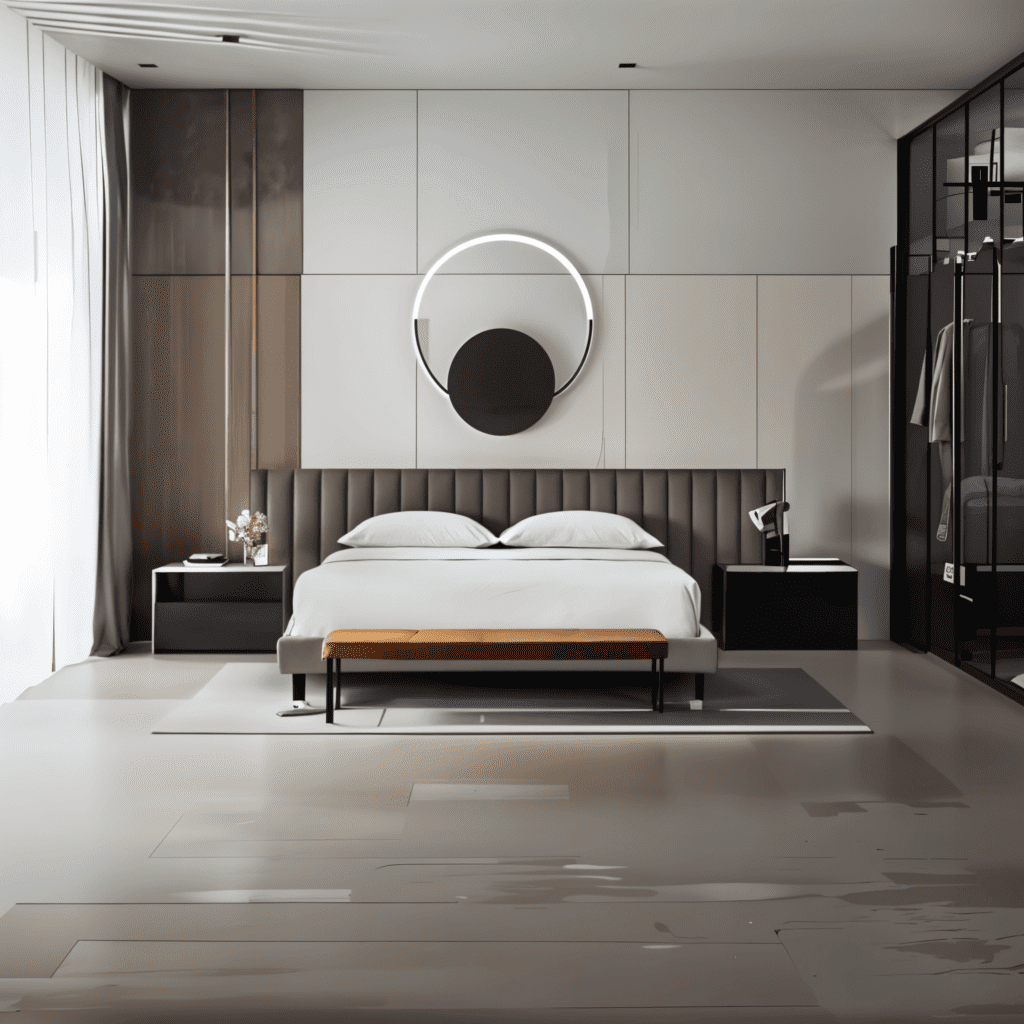
Make a statement in your home by investing in materials that not only function well but also infuse a chic look and a touch of regality. Here, elegant wood types like plywood and MDF bring timelessness to life in your home. You can also opt for metals and other finishes to complement the aesthetics of your interior. The visual appeal of your chosen materials should harmonize with your existing décor while adding a unique character to your space.
Cost:
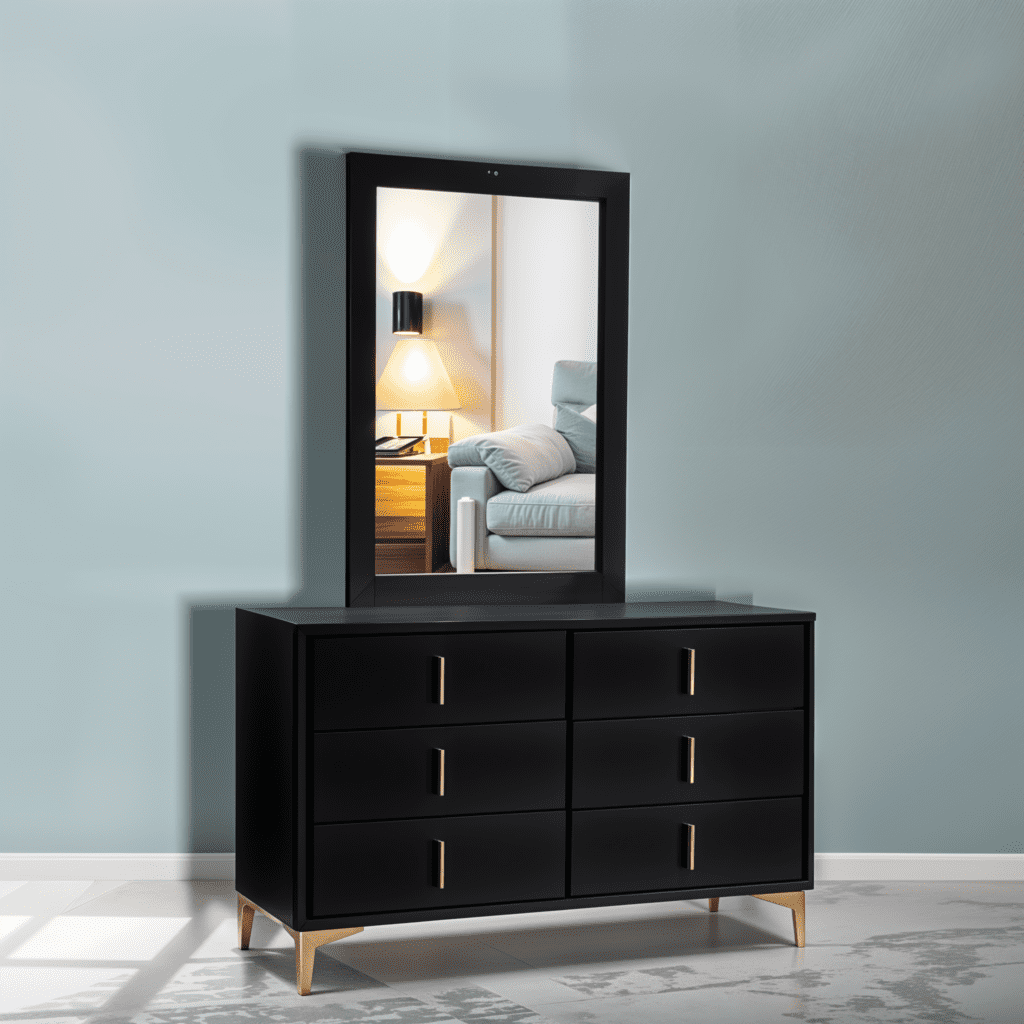
The budget is a critical consideration that significantly influences your choice of materials for custom-made furniture. While it’s essential to find materials that align with your financial parameters, striking the perfect balance between quality and cost-effectiveness requires careful deliberation. A well-planned budget should account for both immediate expenses and long-term value. It’s crucial to understand that opting for extremely cheap materials might seem cost-effective initially but could lead to premature wear and tear, necessitating replacement much sooner than anticipated. This ultimately results in higher long-term costs and unnecessary hassle. When it comes to incorporating mirrors into your furniture pieces, the market is witnessing an unprecedented surge in innovative designs. From sophisticated wall-mounted options to elegant floor-standing pieces and seamlessly integrated mirrored furniture, these reflective elements are revolutionizing interior spaces. A thoughtfully chosen mirror can transform your bedroom into an inspiring sanctuary, creating an illusion of expanded space while serving as a stunning decorative focal point that elevates your room’s overall ambiance.
Popular Customization Materials Tour:
Embark on an enlightening journey through the most sought-after materials that leading furniture suppliers expertly utilize in crafting exceptional customized pieces. This comprehensive exploration will help you understand how different materials can be strategically implemented to enhance both the functionality and aesthetic appeal of your living spaces. Each material brings its unique characteristics and advantages, allowing you to make informed decisions that align perfectly with your interior design vision and practical requirements.
Wood: Embrace Functionality and Timelessness
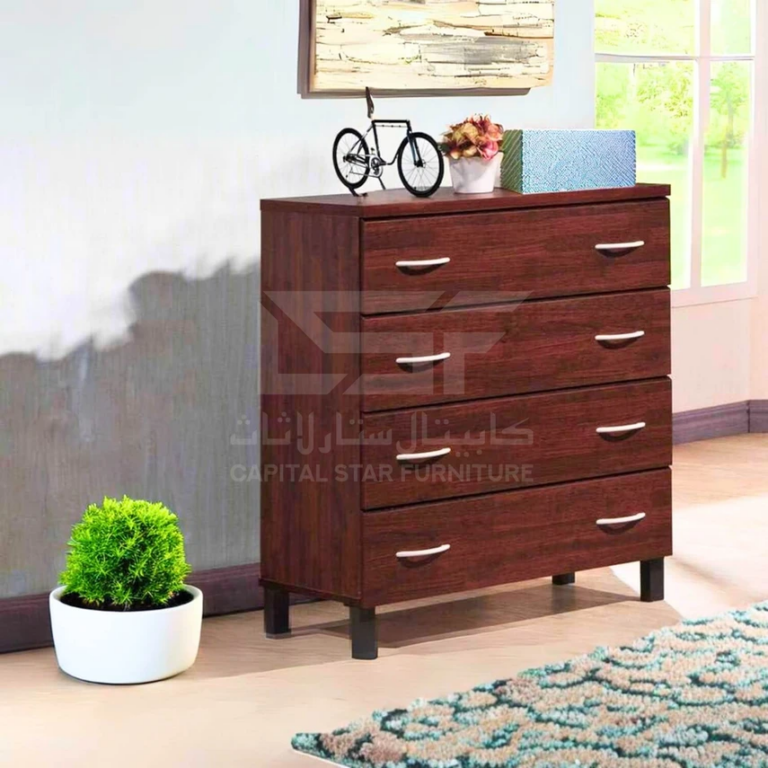
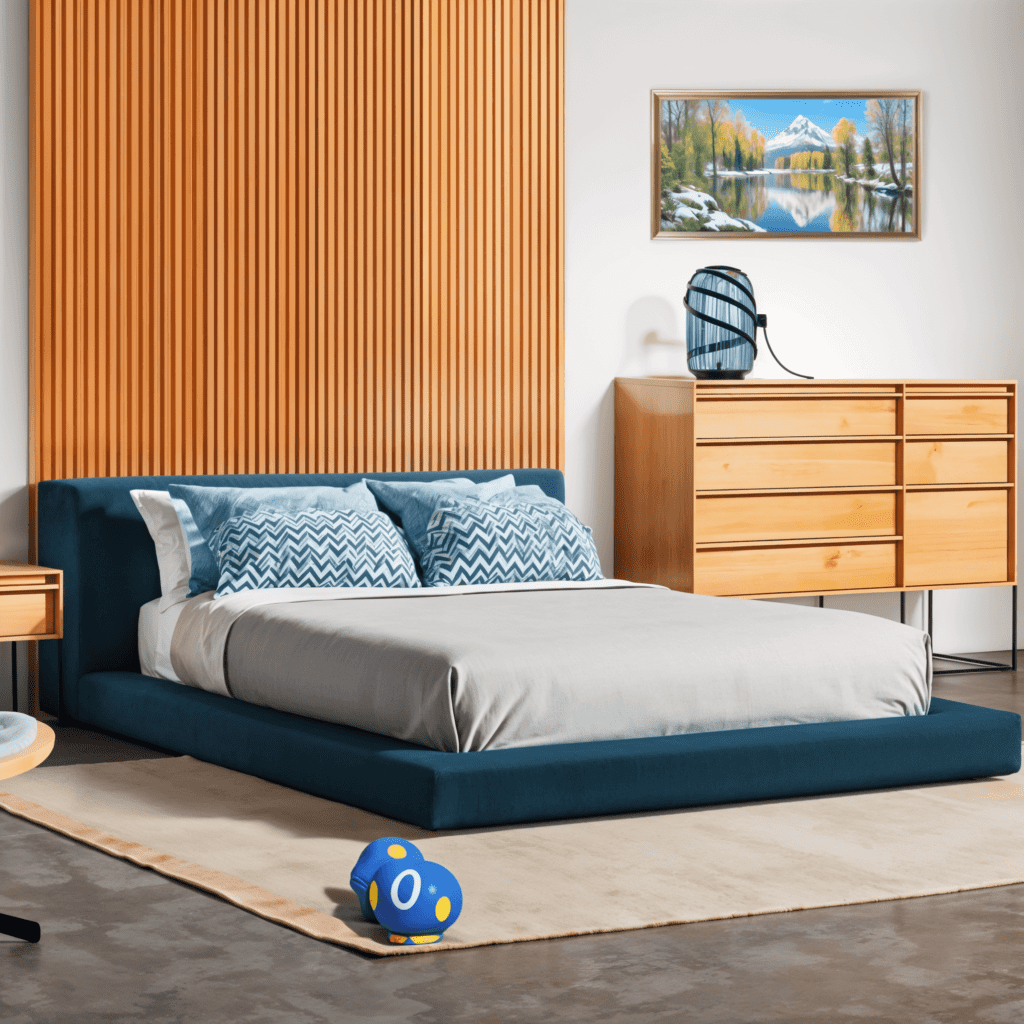
Wood stands as the cornerstone of furniture craftsmanship, offering unparalleled versatility and adaptability in creating personalized furniture pieces. Its natural beauty, combined with exceptional workability, makes it the preferred choice for discerning homeowners and craftsmen alike. Various wood types, including premium oak, robust solid wood, and versatile MDF, provide endless possibilities for customization. These materials seamlessly adapt to diverse design preferences, effortlessly transitioning from warm, rustic charm to sleek, contemporary aesthetics. The varied grain patterns, natural textures, and rich color variations enable the creation of truly unique, personalized furniture pieces that perfectly reflect individual style preferences. For exceptional results, partner with reputable customized furniture shops that specialize in high-quality wood craftsmanship and can transform your vision into reality.
Metal: Adding Exquisite Finishes to Your Furniture
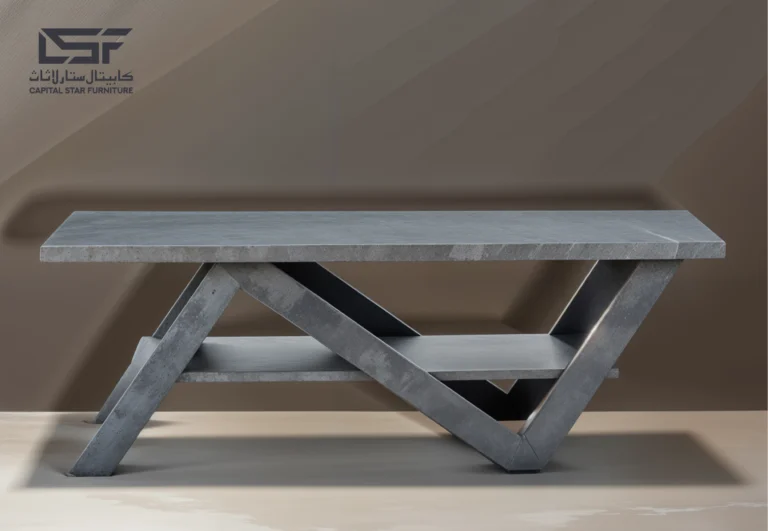
Metal elements serve as transformative accents in custom furniture design, offering sophisticated finishing touches that elevate the overall aesthetic. The key to successful metal incorporation lies in achieving a delicate balance – utilizing these elements strategically without overwhelming the piece’s primary design. Consider incorporating refined metal details such as elegantly designed handles, sturdy supporting legs, or tasteful decorative elements. These thoughtful additions not only enhance the furniture’s visual appeal with their contemporary charm but also provide essential structural support and functionality, creating a harmonious blend of form and function in your custom pieces.
Upholstery: Indulging in the Lap of Softness
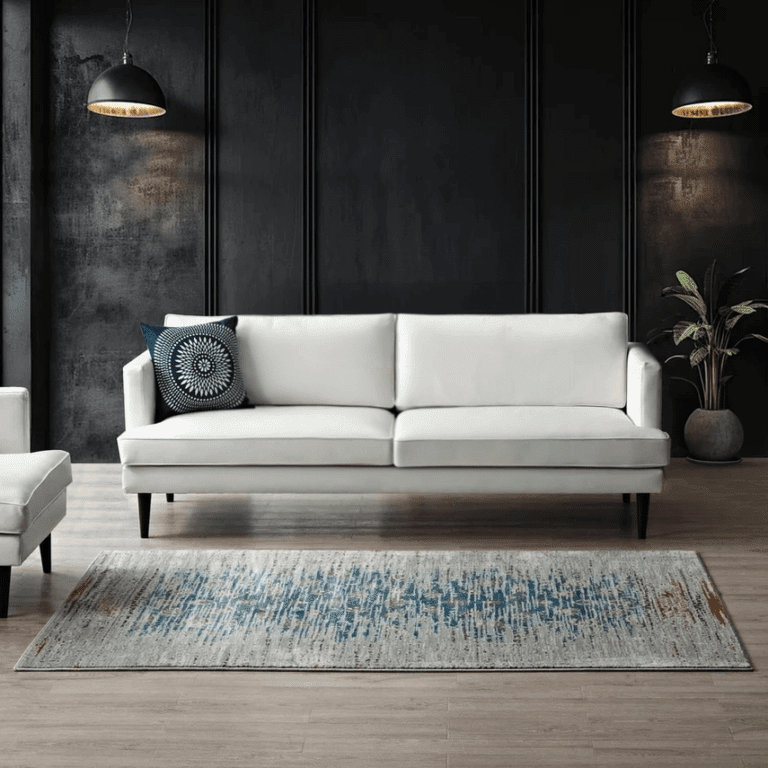
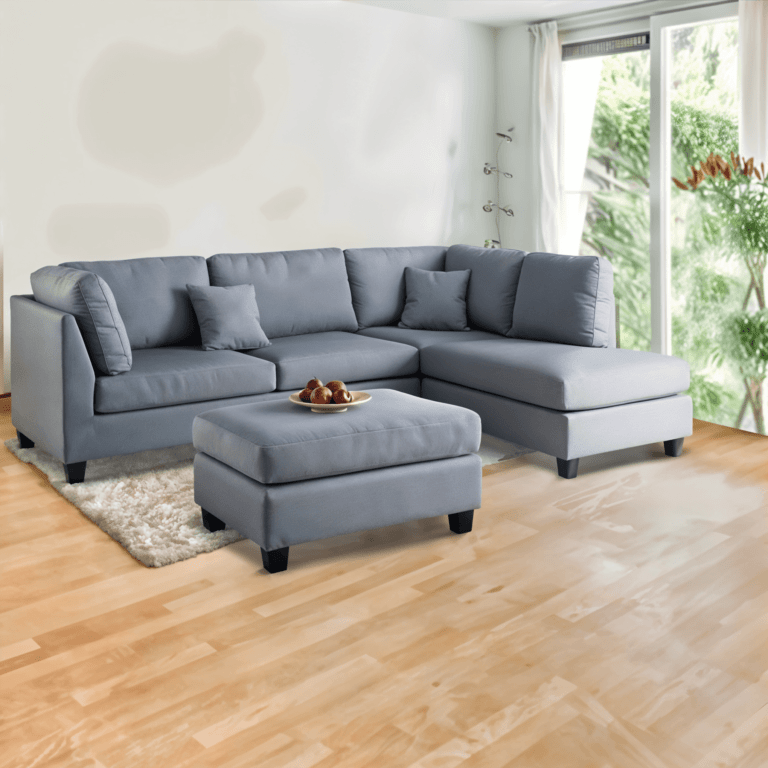
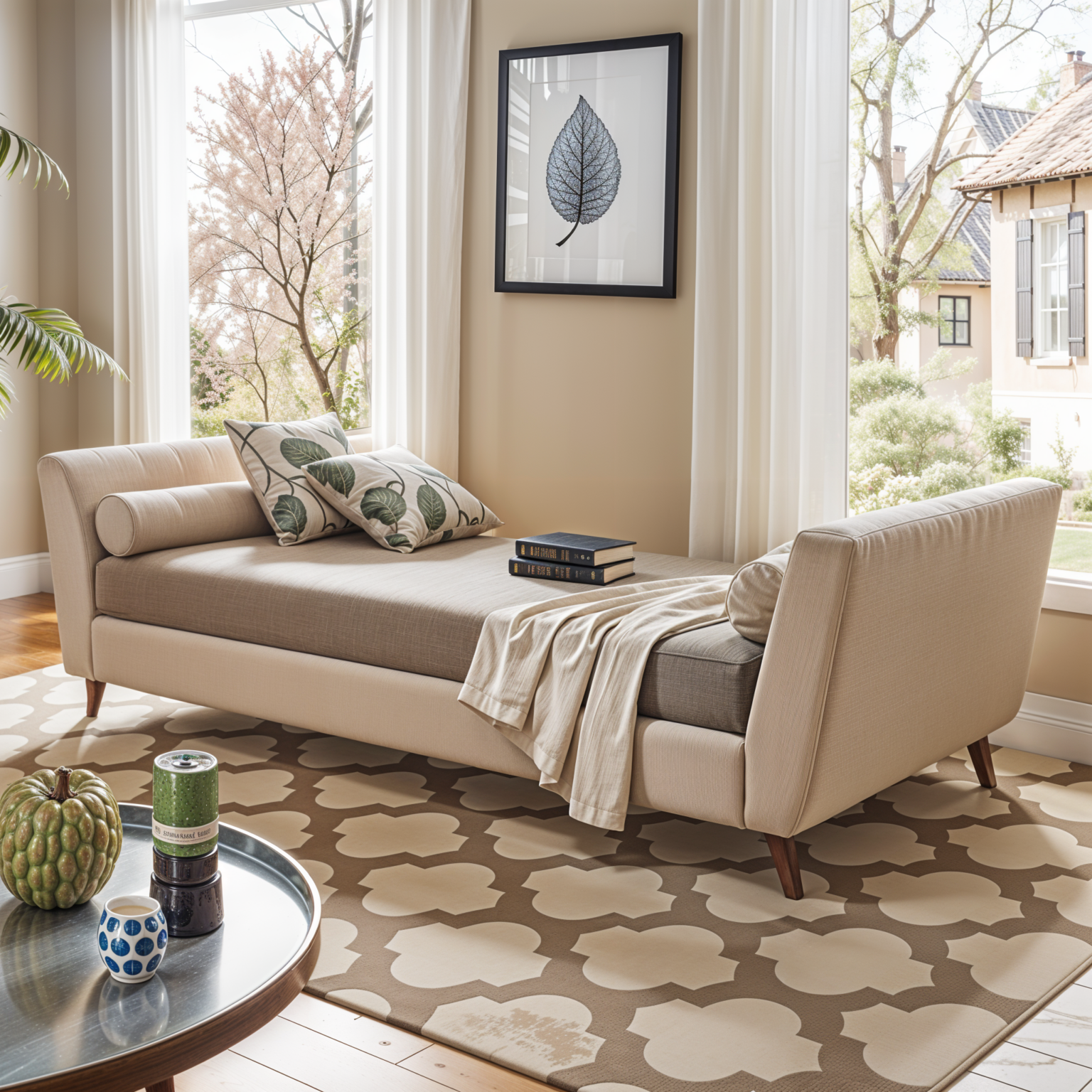
The selection of upholstery materials plays a pivotal role in defining the comfort and aesthetic appeal of your custom furniture. High-quality upholstery transforms ordinary furniture into luxurious pieces that invite relaxation and create an atmosphere of sophisticated comfort. Beyond its primary function of providing softness and support, upholstery serves as a powerful design element that can dramatically influence your home’s interior ambiance. The right upholstery material has the power to create lasting impressions and elevate your space’s overall aesthetic appeal. However, the selection process should carefully consider practical aspects such as durability, maintenance requirements, and longevity to ensure your investment continues to provide value and satisfaction for years to come.
Bonus Tips on Choosing the Right Materials for Customized Furniture:
This comprehensive guide aims to simplify the material selection process for your bespoke furniture project. The following additional insights will help you make well-informed decisions that align with your specific furniture requirements:
Define Your Needs:
The foundation of successful custom furniture design begins with a clear understanding of your specific requirements. Take time to thoroughly assess both the intended function of the furniture piece and the spatial constraints of its designated location. This thoughtful evaluation will guide you toward selecting materials and designs that not only meet your practical needs but also enhance your space’s functionality and aesthetic appeal.
Understand Material Characteristics:
A comprehensive understanding of material characteristics is crucial for making informed furniture decisions. Examine various aspects such as surface texture, distinctive patterns, color variations, and durability metrics to evaluate how well they align with your home environment. Pay special attention to factors like wear resistance, maintenance requirements, and aging characteristics. Consider how different materials respond to environmental conditions like sunlight exposure, humidity changes, and temperature fluctuations. A thorough analysis of these material properties will empower you to make choices that ensure long-term satisfaction with your furniture investment.
Examine Samples:
Hands-on experience with material samples is invaluable in the selection process. Request multiple samples to conduct thorough tactile assessments of texture variations and durability characteristics. Visit a reputable furniture store in Dubai to explore an extensive range of materials in person. This direct interaction allows you to evaluate important aspects like surface finish, weight, flexibility, and overall quality. Take time to compare different options side by side, considering how each material might complement your existing décor and meet your specific requirements.
Seek a Guide:
Professional guidance can significantly enhance your material selection process. An experienced designer or craftsman brings invaluable expertise in matching materials to specific applications, understanding structural requirements, and ensuring aesthetic harmony. Their knowledge of material behavior, maintenance needs, and long-term performance can help you avoid costly mistakes. These experts can also introduce you to innovative material options you might not have considered, potentially leading to more satisfying and unique furniture solutions.
Wrapping Up: Success in selecting materials for custom-made furniture stems from a balanced approach combining thorough needs assessment, practical functionality considerations, and aesthetic preferences, all while staying within budget constraints. The right material choice can elevate your furniture from merely functional to exceptionally personalized pieces that perfectly complement your living space. Remember, as the end user, your intuition and preferences play a crucial role in the decision-making process, but informed choices based on expert guidance and thorough research will ensure lasting satisfaction with your custom furniture investment.